The Living Soil Matrix
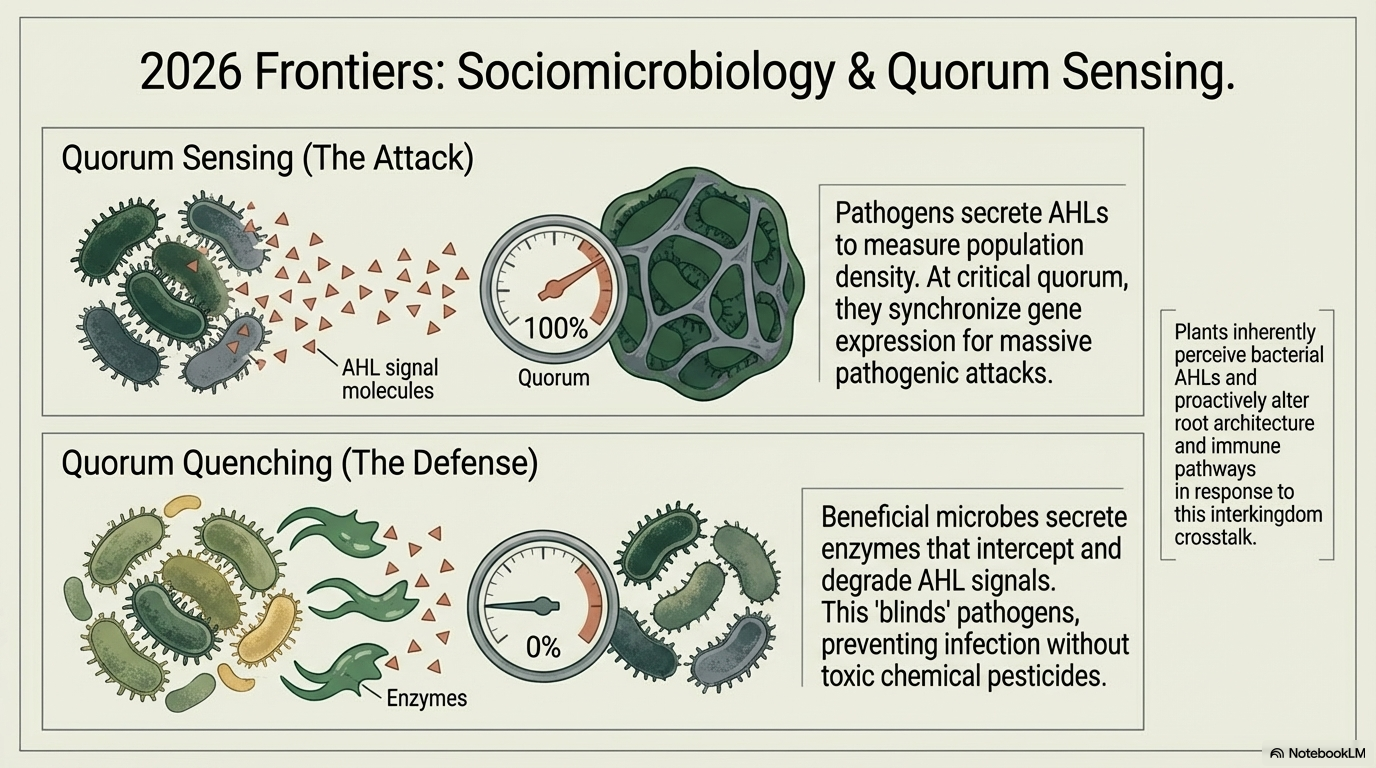
Soil is a dynamic ecosystem of bacteria, fungi, protozoa, nematodes, and arthropods — not an inert substrate. The rhizosphere is the most biologically active zone on Earth.
Soil as a Living System
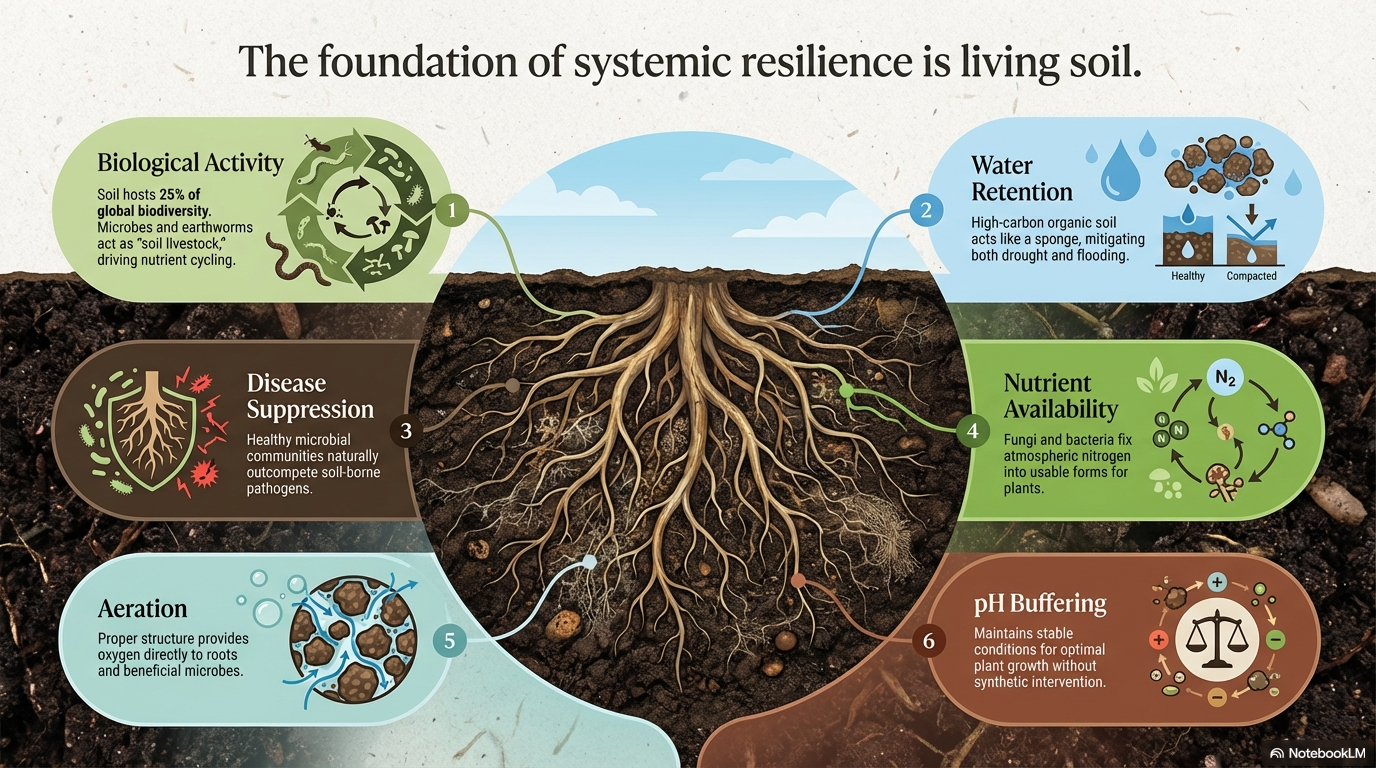
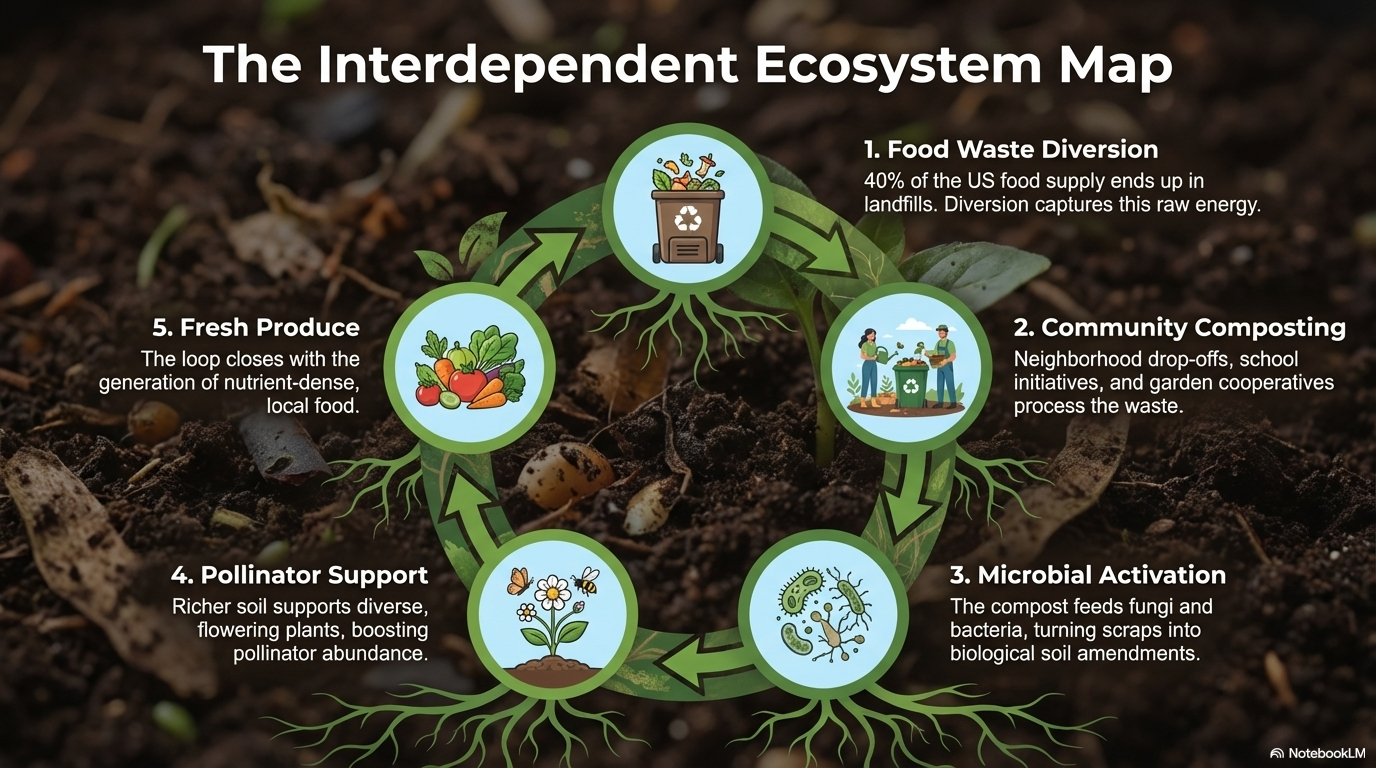
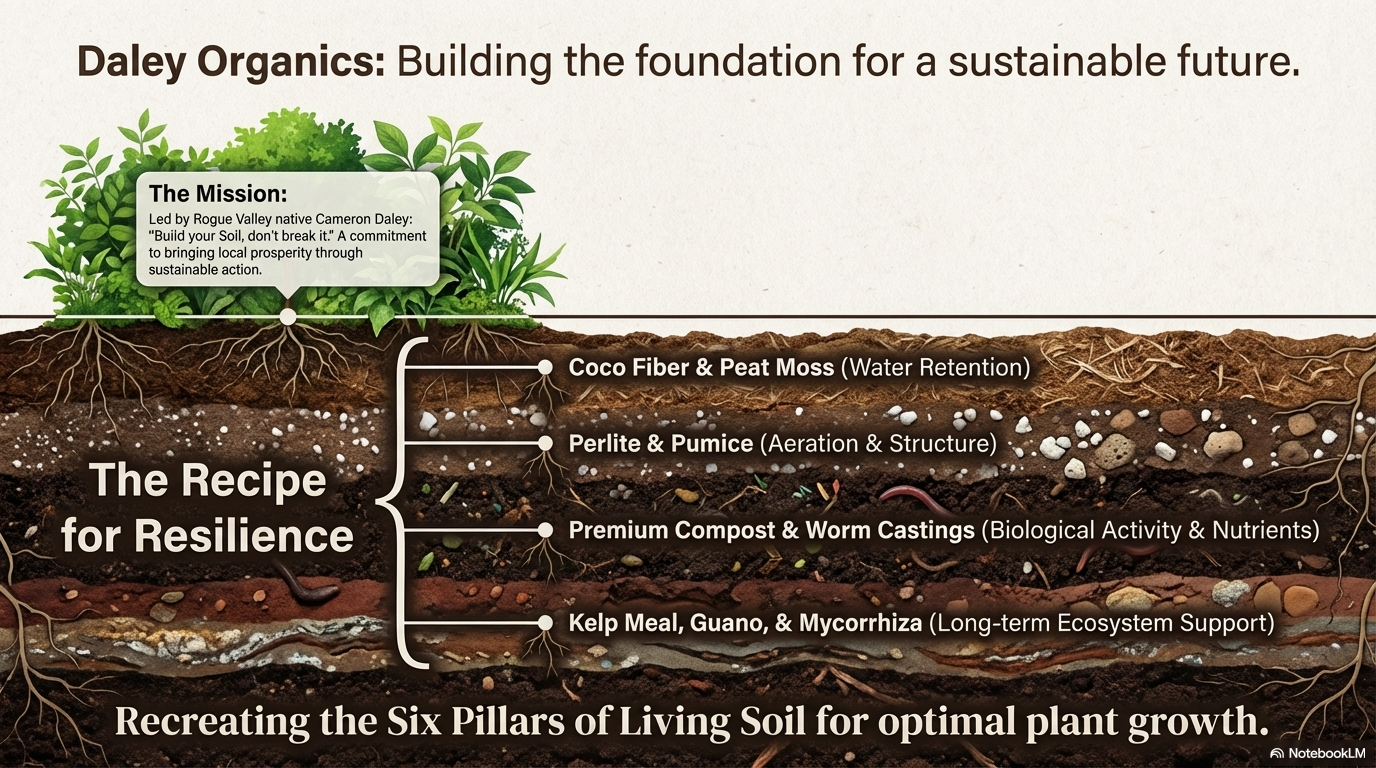
Soil is far more than an inert growing medium — it is a dynamic, living ecosystem teeming with billions of microorganisms per gram. Bacteria, fungi, protozoa, nematodes, and arthropods form complex food webs that drive nutrient cycling, disease suppression, and plant growth. Understanding soil as a biological system is the first step toward truly sustainable agriculture.
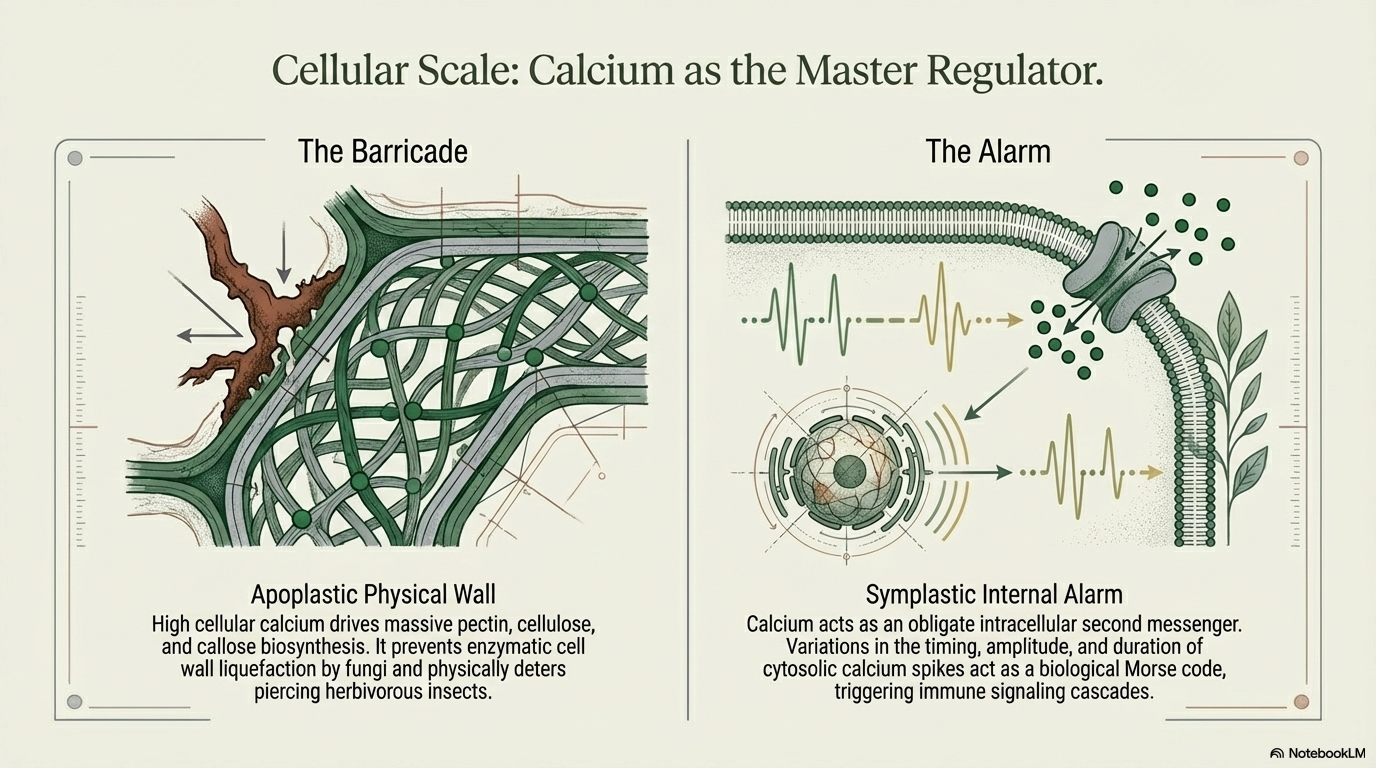
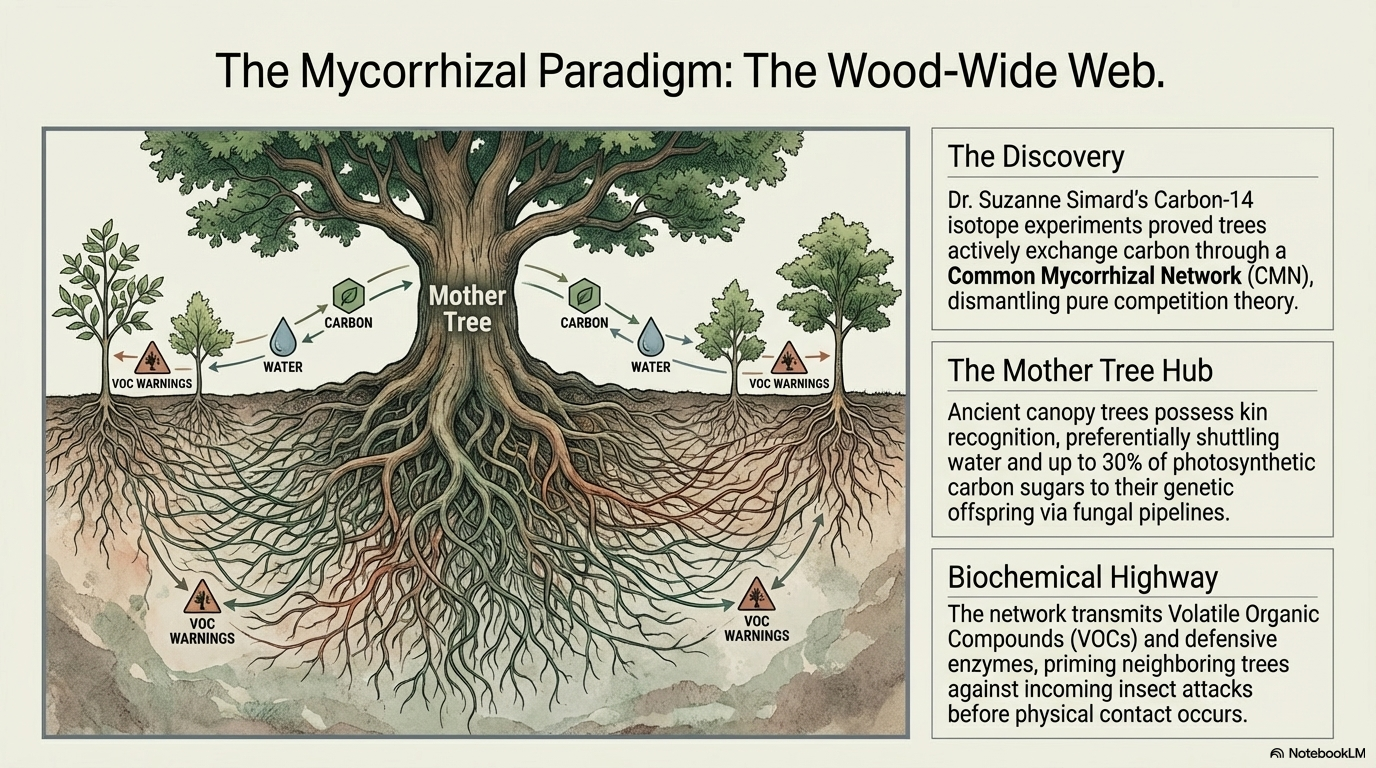
Modern soil science recognizes that the rhizosphere — the narrow zone of soil directly influenced by plant roots — is a hotspot of biological activity. Root exudates feed microbial communities, which in turn solubilize minerals, fix atmospheric nitrogen, produce growth hormones, and protect against pathogens. This symbiotic relationship has evolved over 400 million years of land plant colonization.
From Reductionism to Holism
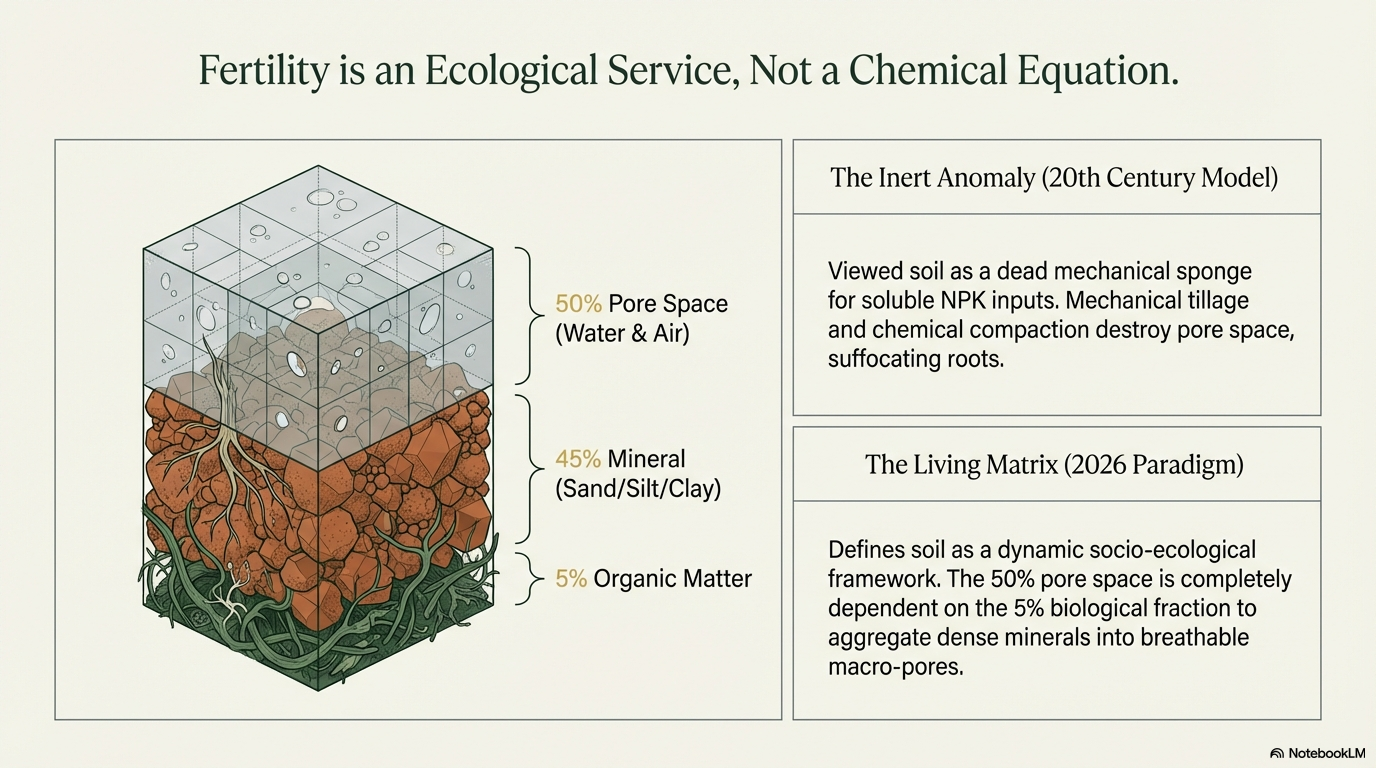
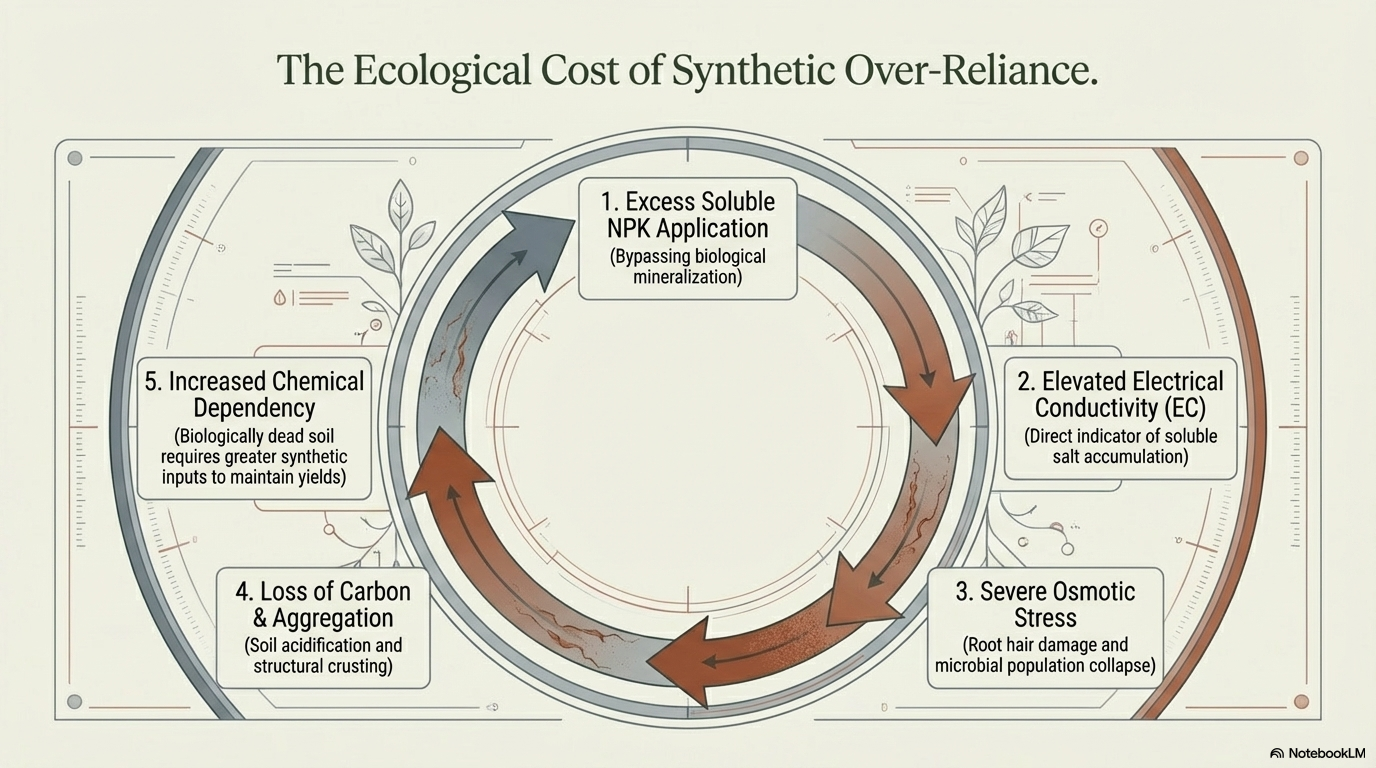
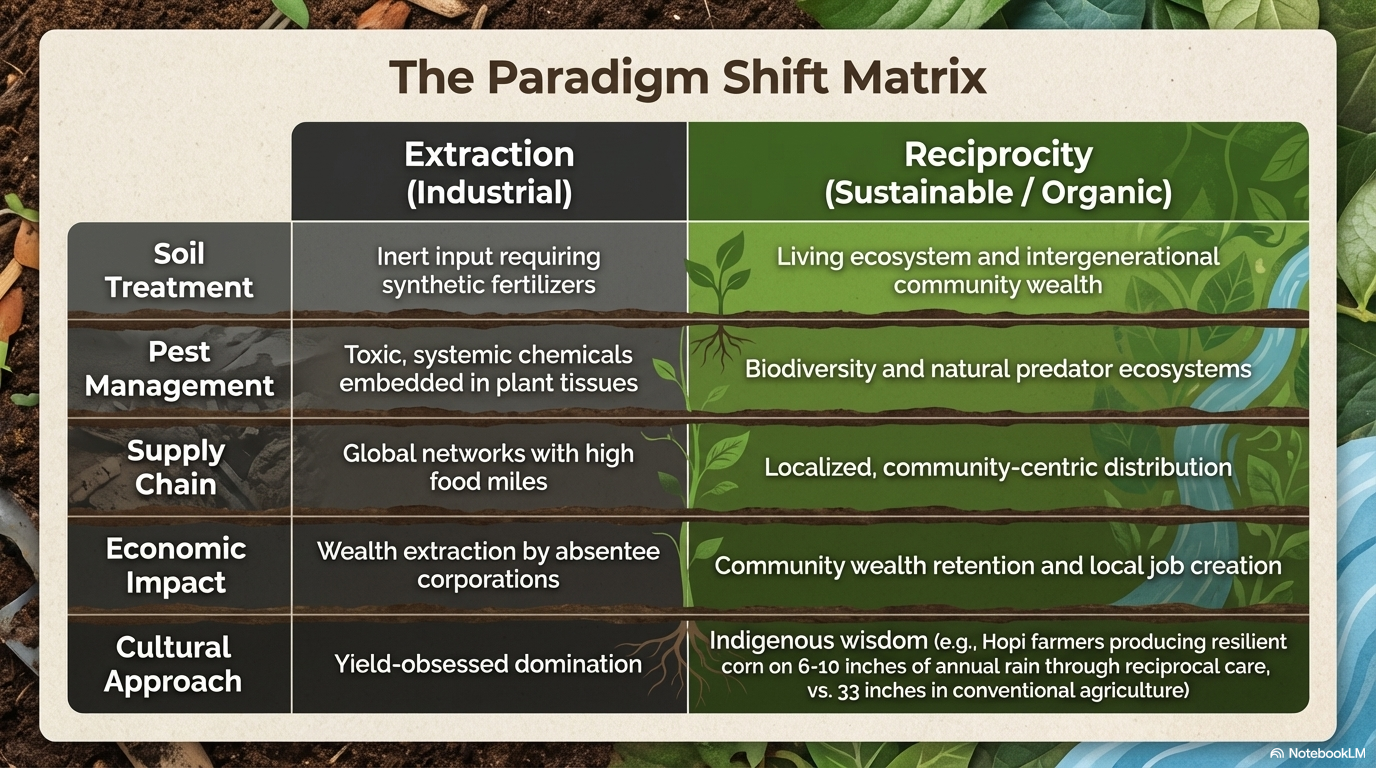
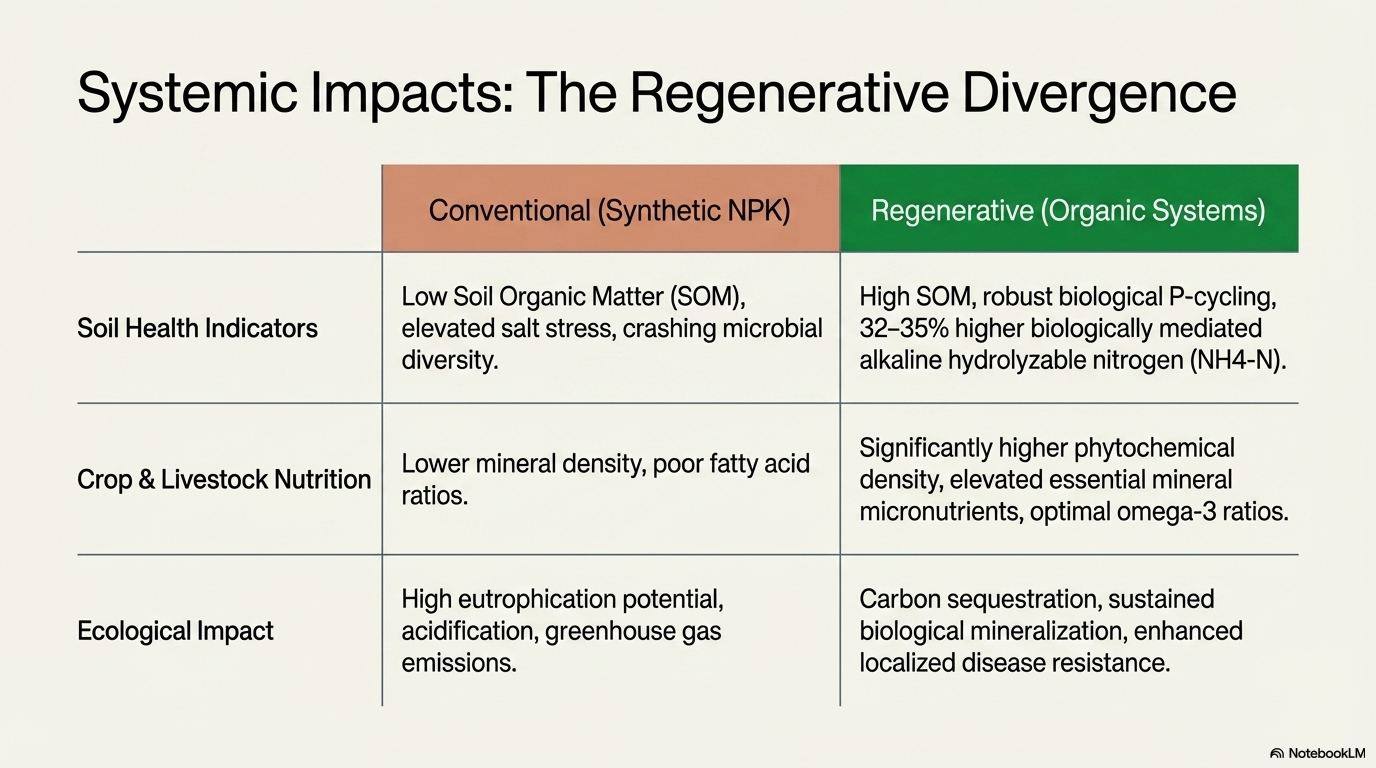
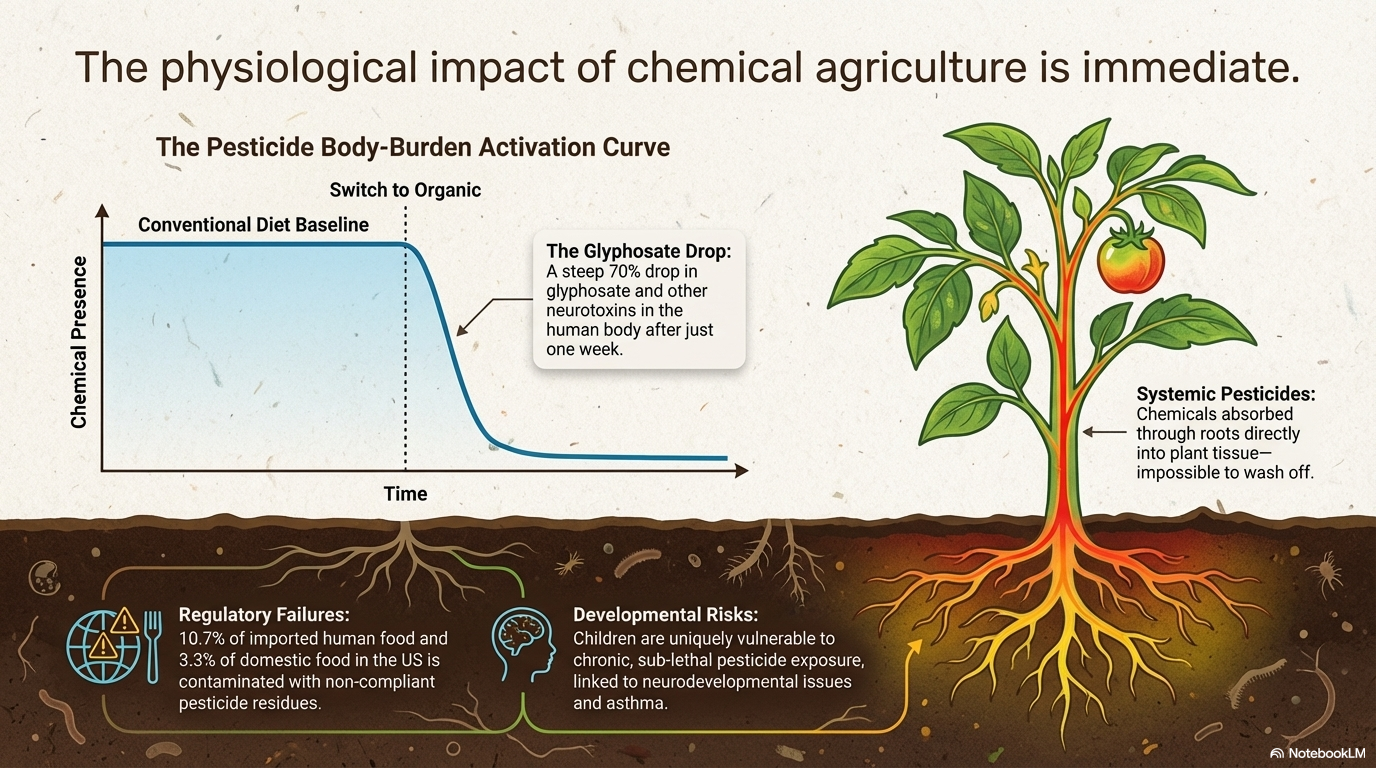
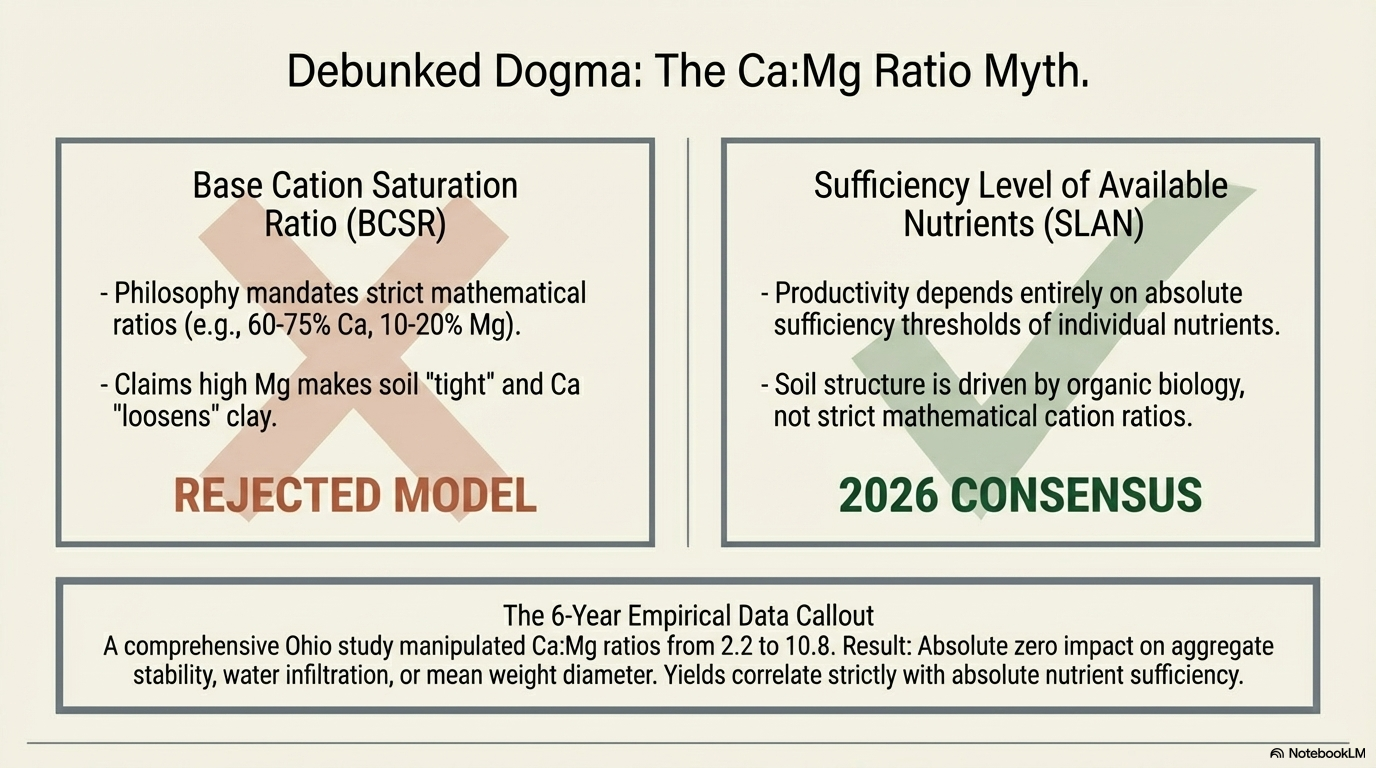
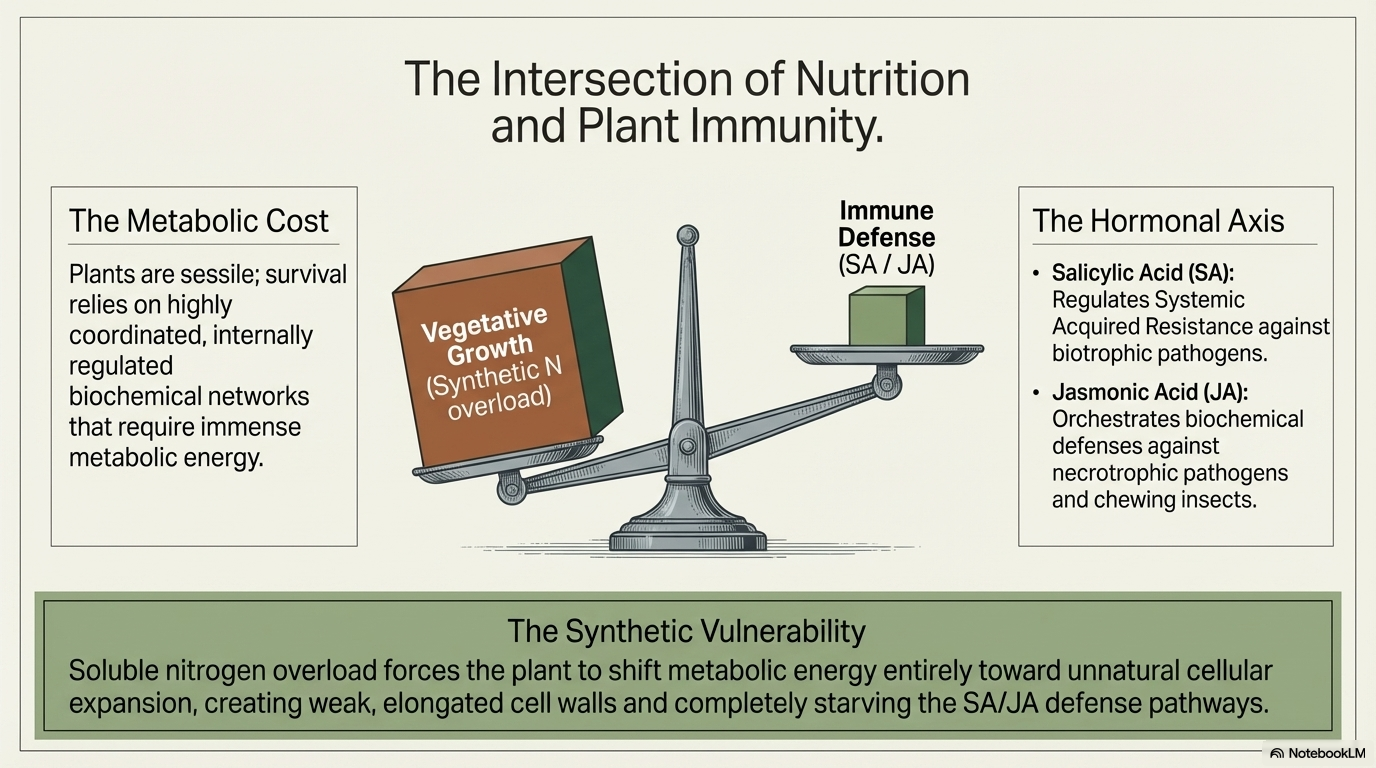
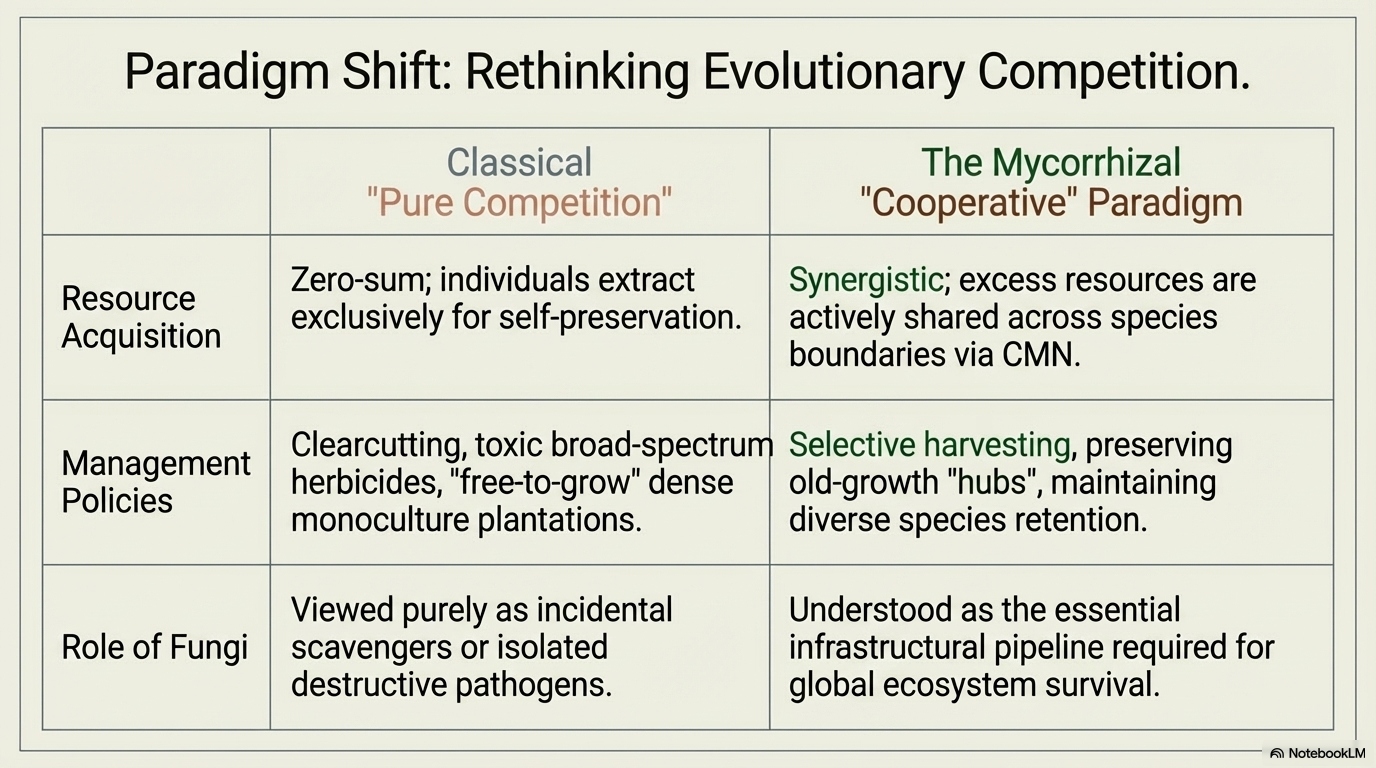
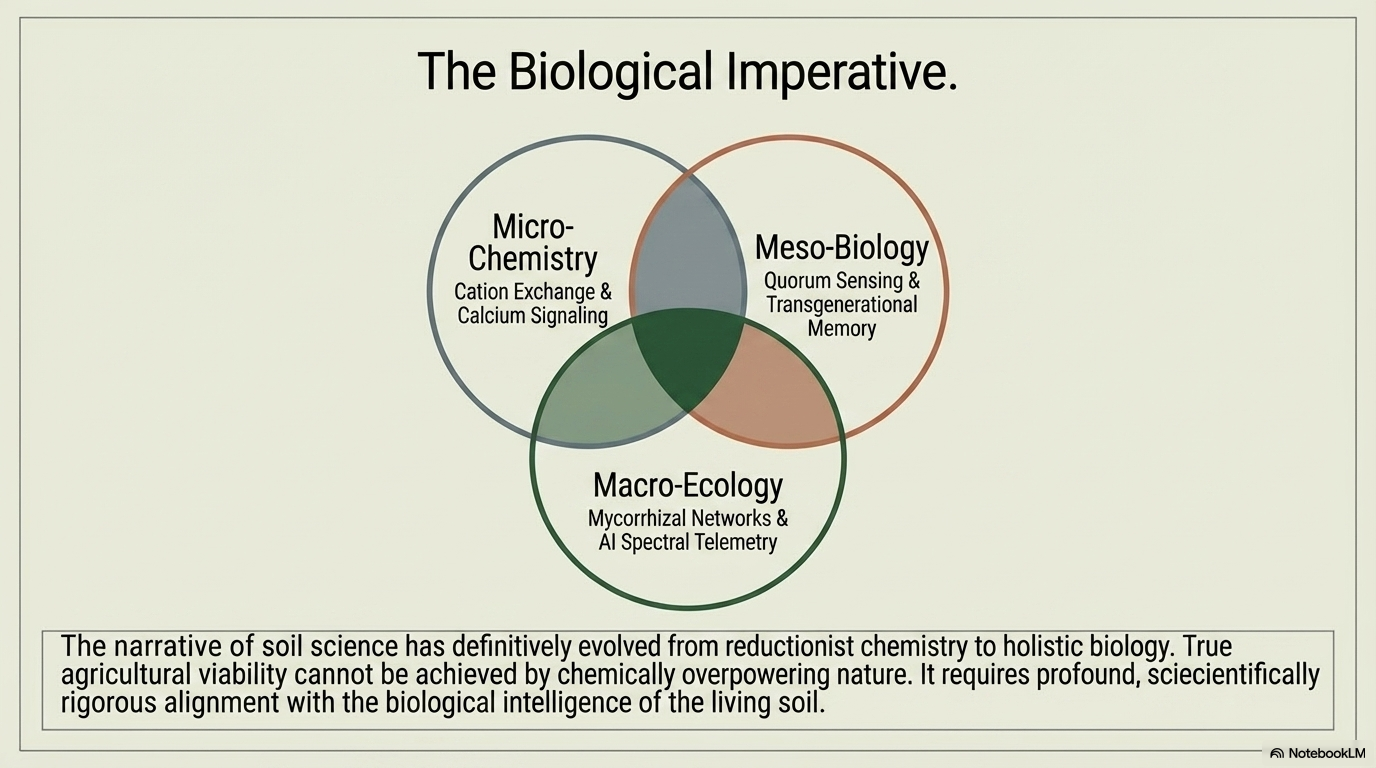
Conventional agronomy has historically treated soil as a chemical substrate — analyzing NPK levels, applying synthetic inputs, and measuring yield responses. The organic paradigm offers a corrective lens, emphasizing systemic relationships, biological complexity, and long-term soil stewardship.
"The health of soil, plant, animal, and human is one and indivisible." — Sir Albert Howard, 1940